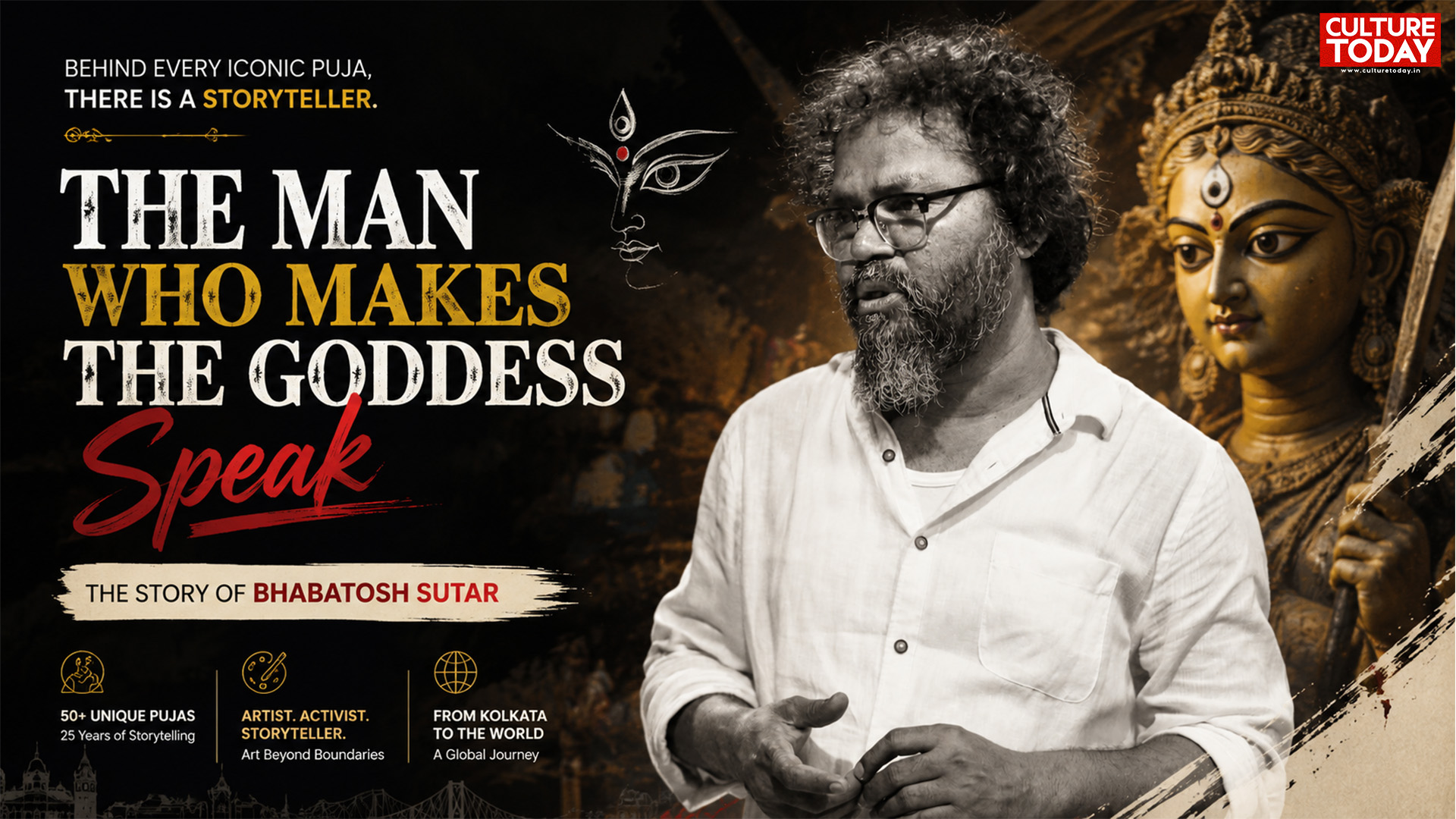
The Man Who Gives the Goddess a New Voice – The Story of Bhabatosh Sutar
On the quiet edge of Sarsuna, where Kolkata slowly fades into a world that feels part city, part town, and part village, stands Chander Haat-the creative home of artist Bhabatosh Sutar.
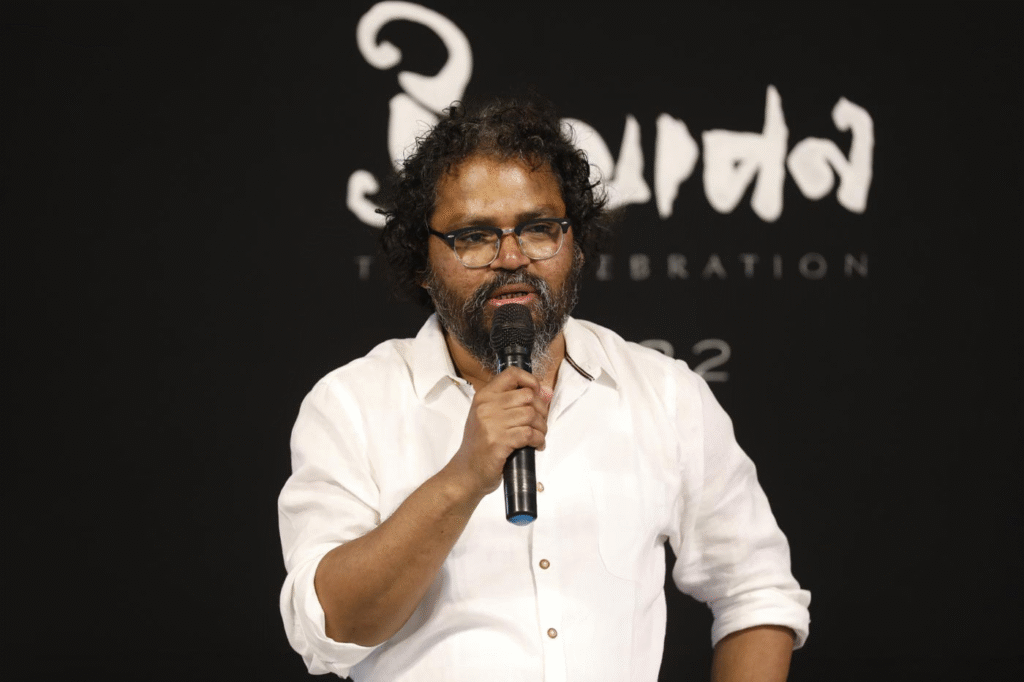
Born in Bangladesh in 1974, Sutar arrived in Kolkata as a seven-year-old with his family, carrying little more than hope. Life was difficult. His father worked as a daily wage labourer, and the family struggled to make ends meet. Yet, amid hardship, a young boy discovered his greatest strength. “I realised I had an artist within me,” he recalls. Encouraged by his mother’s love for music and handicrafts, that passion quietly took root.
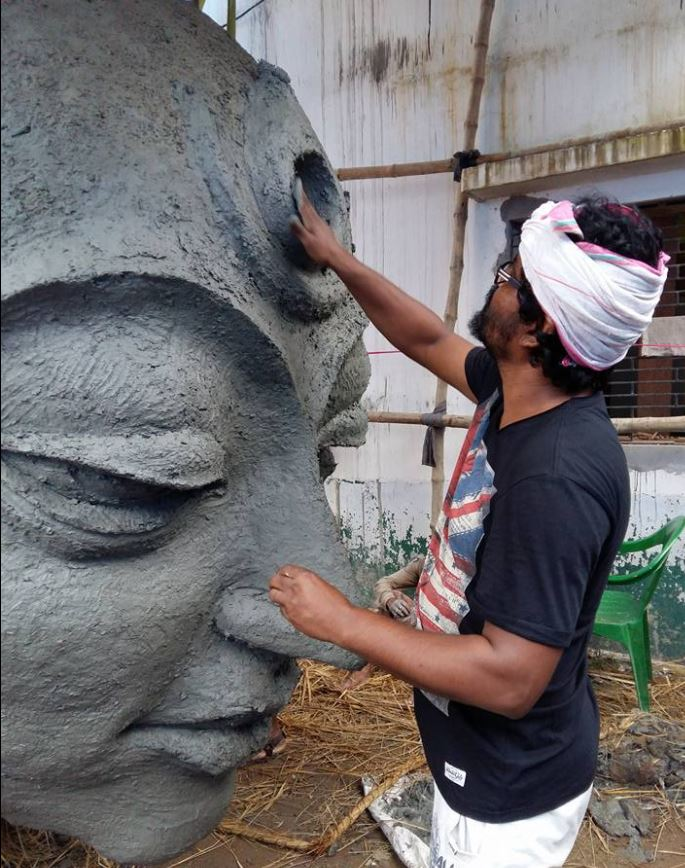
A graduate of the Government College of Art & Craft, Kolkata, Sutar began his journey as a painter. But it was Durga Puja that gave his art its grandest canvas. For over twenty-five years, he has transformed the festival into a platform for storytelling, creating more than fifty original theme-based Pujas in collaboration with some of Bengal and Odisha’s most celebrated clubs.
His works-Manab Jameen, Pathore Pran, Janmo, Naad, Samarpan, and many more-are more than artistic installations. They invite people to reflect on humanity, identity, faith, and society. Every idol, whether crafted from clay, wood, metal, or fibreglass, carries a story that lingers long after the festival ends.
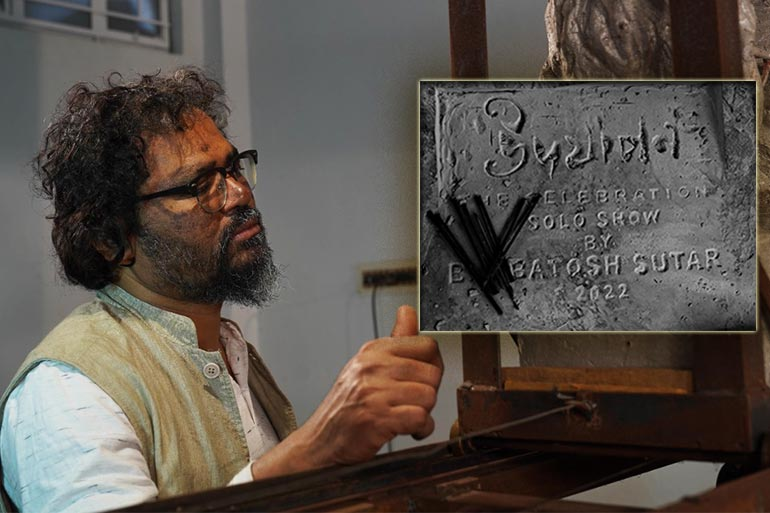
For Sutar, art extends beyond Durga Puja. Through Chander Haat, he creates public art that speaks about women’s empowerment, migrant workers, and the voices of marginalised communities. He believes art should not remain confined within galleries-it should belong to the people.
His work has reached audiences far beyond Bengal. In 2023, he created a special fiberglass Durga idol for New Jersey, while his paintings and sculptures have found homes in countries like Germany and the United Kingdom. He has also documented his journey through the bilingual book Mathe Ghate Shilpo: Art on Ground Zero, chronicling the lives of the countless artisans who bring Durga Puja to life each year.
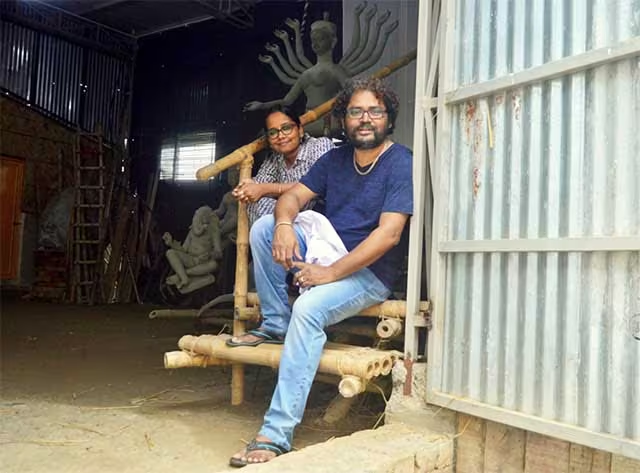
Despite receiving prestigious honours, including the National Scholarship, the Birla Academy Award, and the Academy Annual Award, perhaps his greatest recognition comes every autumn, when lakhs of visitors stand before his creations and pause-not just to admire them, but to feel them.
From a migrant child with a dream to one of the most influential voices in contemporary Durga Puja art, Bhabatosh Sutar reminds us that some stories are not written on paper. They are sculpted in clay, shaped by imagination, and remembered long after the goddess returns home.
From Bengal’s soil to the global stage.